

Ever wondered what your birth flower is and how it represents you as a person??
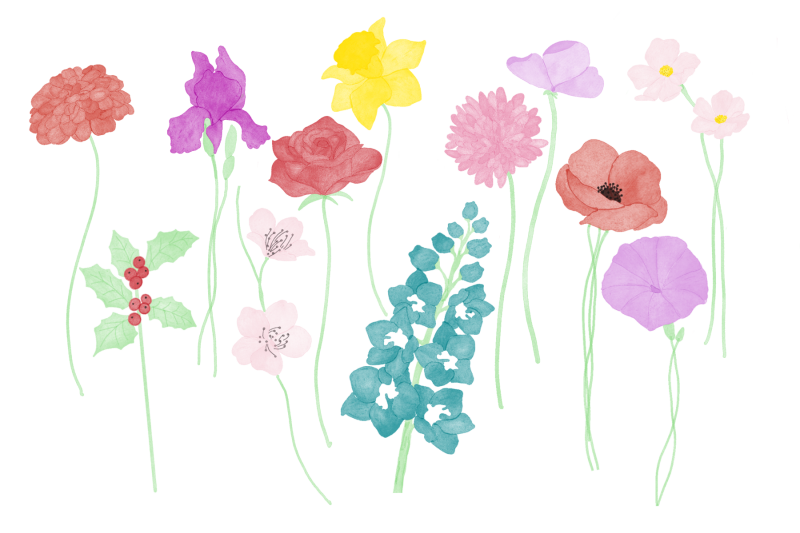
Art Work by Ealasaid
The history of why we have Birth Flowers
The reasoning behind birth flowers today goes back to ancient Rome Times when spirituality was widely celebrated and flowers were gifted during birthdays, much like today. Birth flowers exist to symbolize the month a person’s birth occurred connecting them in nature, religion / tradition, and personal traits.
Why do we have two birth flowers per month??
Every month has two birth flowers. A ‘Primary’ and a ‘Secondary’. But why?? Well, there are multiple reasonings behind this including: historical, cultural, and a simple change over time in tradition. Different religions and regions do not all have the same environment for all blossoms to bloom and because the flower is supposed to represent oneself in time with their birth, changes to tradition occurred. While some people take from the Victorian Floriography, others do so from the Modern Floral Symbolism.
Important information
- The name in brackets is the flowers scientific name
- Research for each flower has been completed accurately and the history behind each flower comes from different backgrounds including Ancient Rome, Greek, Early Europe, and Christianity
- If any of your images have been included in this post please contact us if you wish for your references to be included or if your prefer the image be taken down completely. All images are from Pinterest. Thank you.
January
Primary Flower ~ Carnations

Carnation flowers (Dianthus Caryophyllus) often bloom from April to September depending on the climate, and come in many colours including pink, red, white, purple etc. Carnations are one of the oldest cultivated flowers in the world appearing over two thousand years ago first being mentioned in Greek literature. Carnations were first grown in Spain and Portugal, spreading to other parts of Europe during the Middle Ages. Over the years carnations have symbolized love beginning in Ancient Rome. This remains in today’s time as well as admiration and strength.
Symbolizes: Love, Affection
Represents: The strength you can find during winter
Secondary Flower ~ Snowdrops
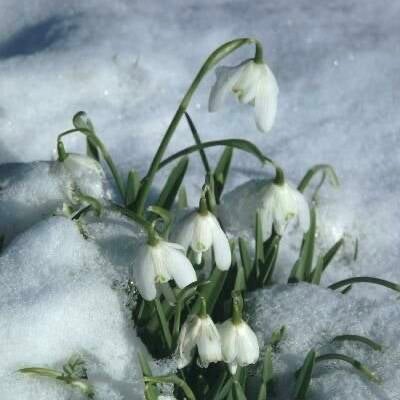
Snowdrops (Galanthus Nivalis) bloom from January through March and are the first sign of spring, but with their white coats can appear during snow. The snowdrops have a rich history and are mentioned in mythologies and legends associated with the Greek goddess Persephone. Overtime they have always represented new beginnings, hope, and strength. Today this proves no change, and many counties include the snowdrop in their cultural celebrations.
Symbolizes: Hope, Rebirth
Represents: It is known for the Snowdrop to be the first flowers to bloom in winter
February
Primary ~ Violets
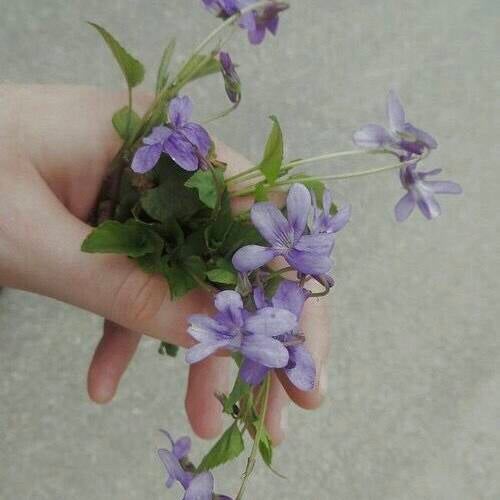
Violets (Viola Odorata) bloom typically bloom from late February to April but can survive to May depending on region. Violets are mainly grown today for aesthetic purposes due to their beauty, which is ironic if we look at the origins of the flower. It is believed that violets first appeared in Greek mythology when Zeus fell in love with Lo, and as Lo wondered the earth she peaked on violets which grow from the ground her hooves touched. The ancient Greeks saw violets as special and used them in their rituals and ceremonies, often associating them with love and fertility.
Symbolizes: Loyalty, Faithfulness
Represents: Associated with the emotional spirit of winter
Secondary ~ Primrose
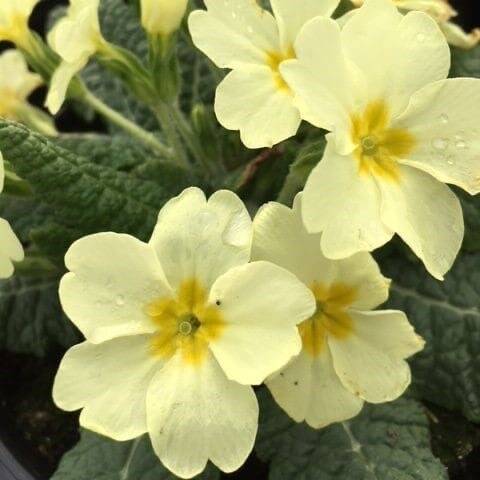
Primroses (Primula Vulgaris) often blooms from February to April with multiple colours of the rainbow including red, white, yellow and more. The plant is said to date back centuries and is native to Europe, North America, and Asia. The name ‘Primrose’ is from the Latin word ‘Prima Rosa’ which means ‘First Rose’, which fits in with the meaning of new beginnings and renewal.
Symbolizes: Youth, Innocence, New Beginnings
Represents: Associated with the emotional spirit of winter
March
Primary ~ Daffodils
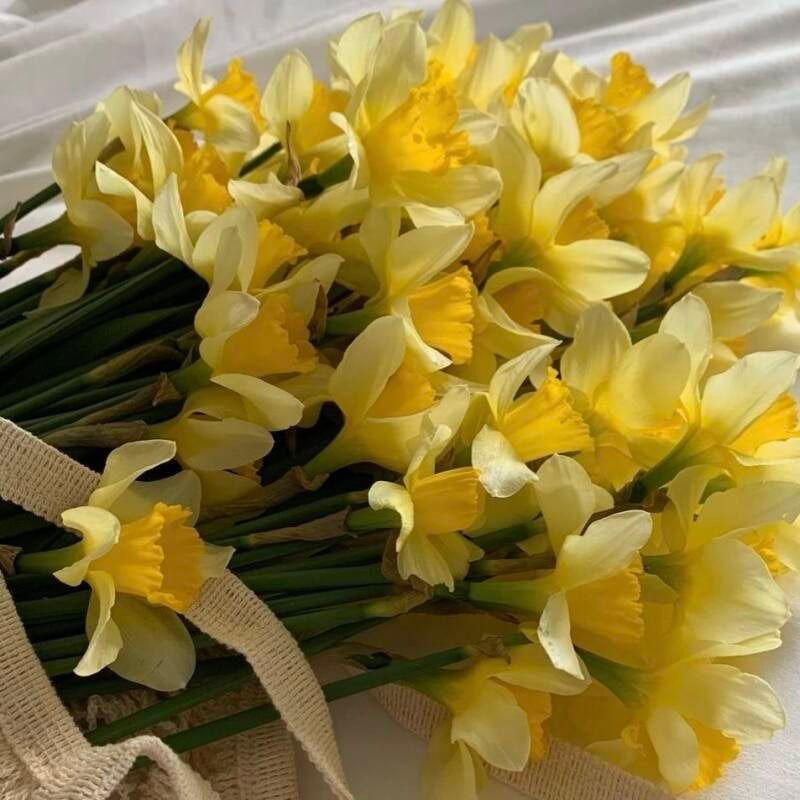
Daffodils (Narcissus Pseudonarcissus) usually bloom between February and April filling fields with their enchanting colours with most featuring the yellow sun. The flower was named after a man known for his beauty in Greek Mythology. Narcissus was tricked into falling love with his own reflection. It is said the drooping flowers represent him bending over to catch his reflection in a pool of water. Although this story is saddened with the man, it does not compare to new beginnings and good fortune the birth flower represents.
Symbolizes: Joy, Rebirth
Represents: The arrival of Spring and fresh starts
Secondary ~ Jonquils
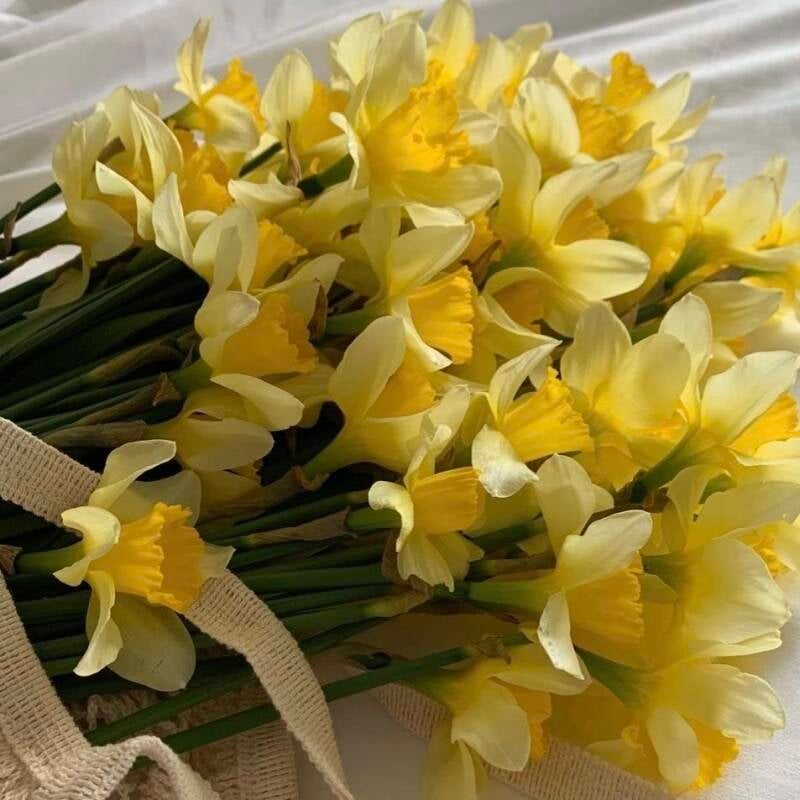
Jonquils (Narcissus Jonquilla) typically bloom from February to April with their radiant yellow petals. Although daffodils and jonquils share the same family, they have much different origins. It is said in Greek mythology, jonquils were associated with the goddess Persephone, who wept tears that then became the pant, which is why these flowers have been connected to spring and new beginnings.
Symbolizes: Rebirth, Joy, Good Things
Represents: Hope
April
Primary ~ Daises
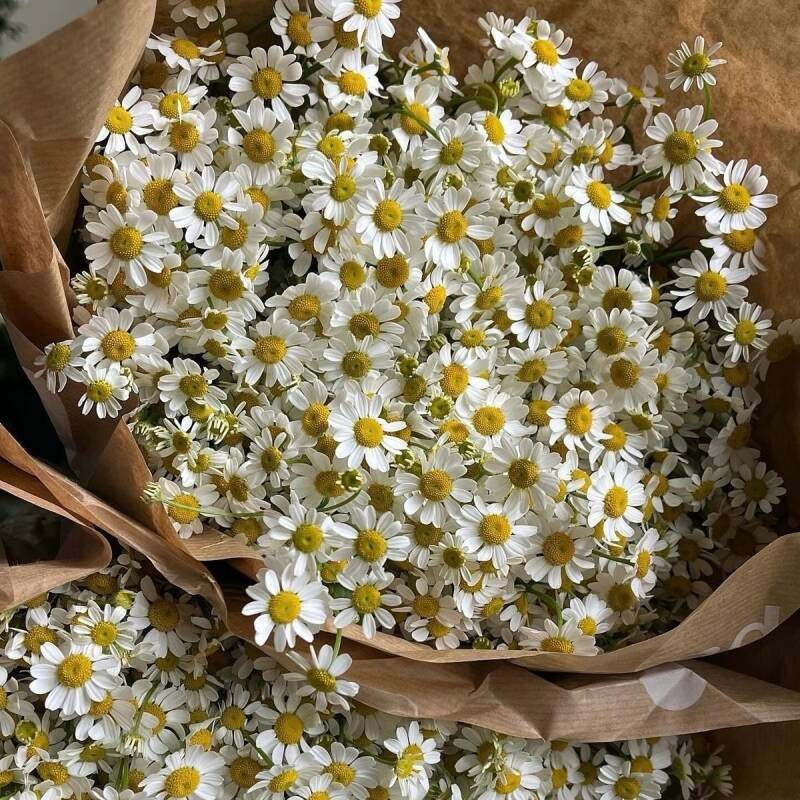
Daisies (Bellis Perennis) start to bloom in March and continue to do so until October in early Autumn, leaving us all summer with the mainly yellow and white decorative plant in our gardens. These flowers were believed to have been here since at least 2,00 BC with evidence of them appearing in the Egyptian temple gardens and were used for medical purpose. The name ‘daisy’ comes from Old English ‘Daes eage’ meaning ‘day’s eye’ in reference to the flower opening at dawn and closing at sunset. This action representing purity and innocence.
Symbolizes: Innocence, Purity
Represents: New Beginnings and loyalty
Secondary ~ Sweet Pea
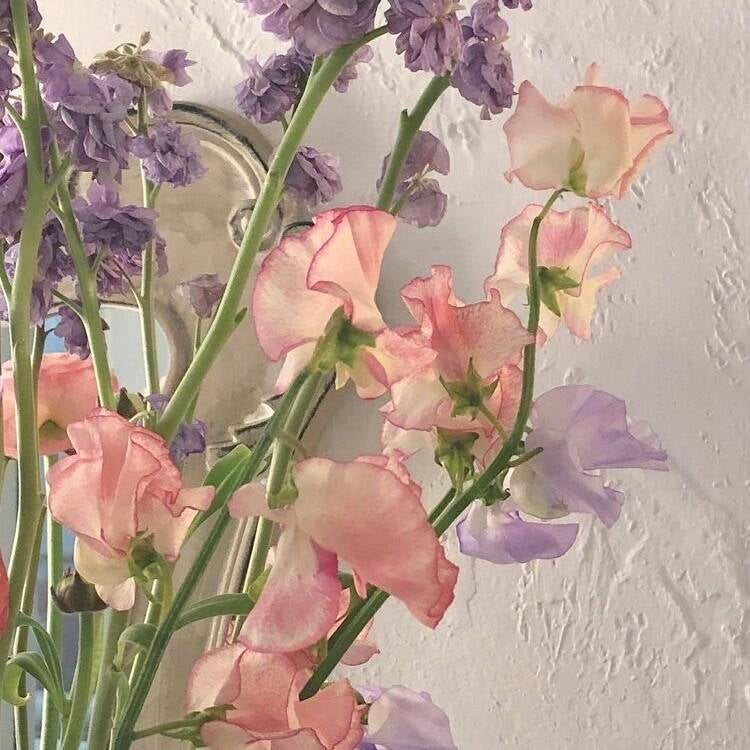
Sweet Pea’s (Lathyrus Odoratus) mostly blooms between May and July and can sometimes extend to early autumn. They come in a variety of colours including shades of pink, red, purple, blue etc. The plant was discovered in the seventeenth century in Sicily, Italy and was named after its sweet fragrance. Although it was discovered in Italy, it is not native to that region as the wild ancestor of the sweet pea is believed to have been originated in the Aegean Islands in the Eastern Mediterranean region. I believe the beauty of this plant’s links to it traits for a birth flower which represents gratitude, joy, and friendship.
Symbolizes: Joy, Gratitude
Represents: Proving goodbyes and being thankful
May
Primary ~ Lily of the valley
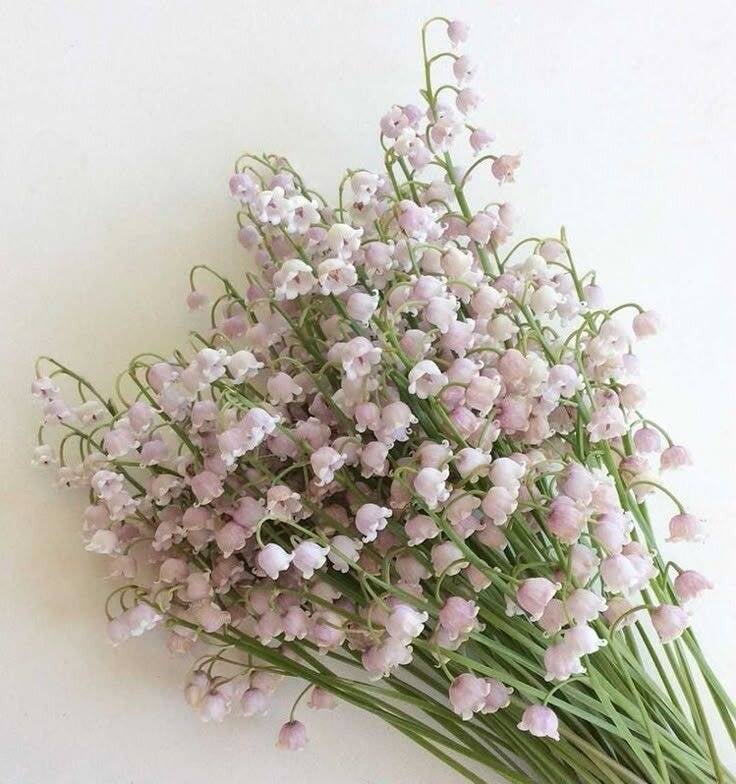
Lily of the Valley (Convallaria Majalis) flowers bloom from April to May depending on the climate and are typically know for their white coat but also come in shades of pink, purple, blue, and yellow. The flower has many legends including that the flowers first bloomed from the tears of the Virgin Mary as she wept for her son, while others say they sprang from Eve’s tears after she was thrown out of the garden, so it’s no surprise that this flower symbolizing’s purity, and the return of happiness.
Symbolizes: Happiness, New Beginnings, Hope, Goodluck
Represents: Return to happiness
Secondary ~ Hawthorns
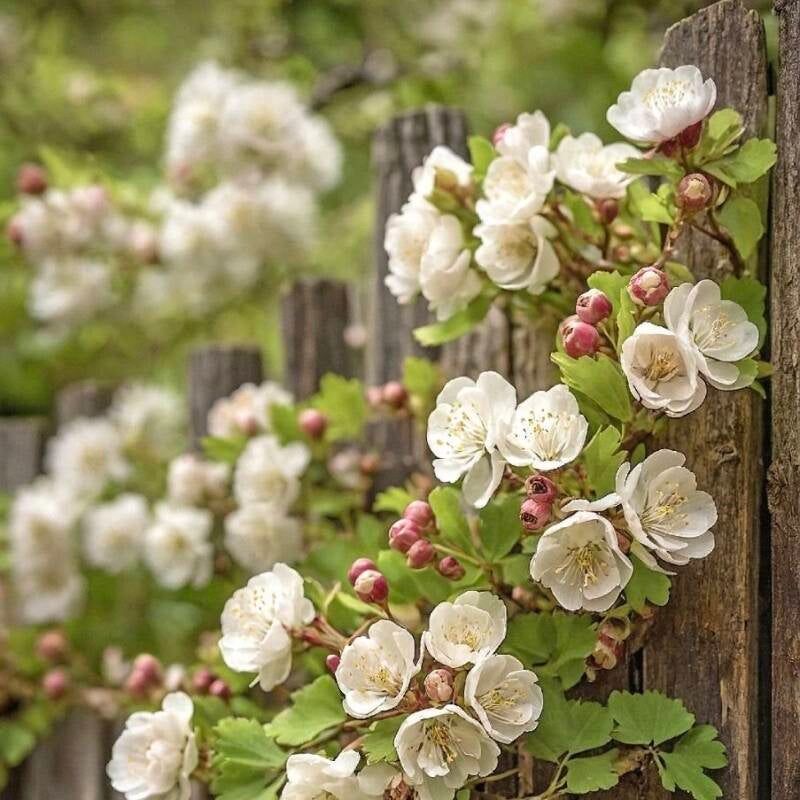
Hawthorns (Crataegus Monogyna) normally boom in May which is where it gets the name ‘Maythorn’ from and blossom in the colours of white or pink, perfect for a bright spring. This plant is rich in history and is linked to many cultures providing a great significance including ancient Greek mythology where it was believed that the hawthorns were associated with the goddess Artemis and God Apollo and was said to ward off evil spirits and protect against lighting strikes, and still to this day the flower is believed to be the symbol of protection.
Symbolizes: Hope, Safety. Joy
Represents: Return to happiness
June
Primary ~ Rose
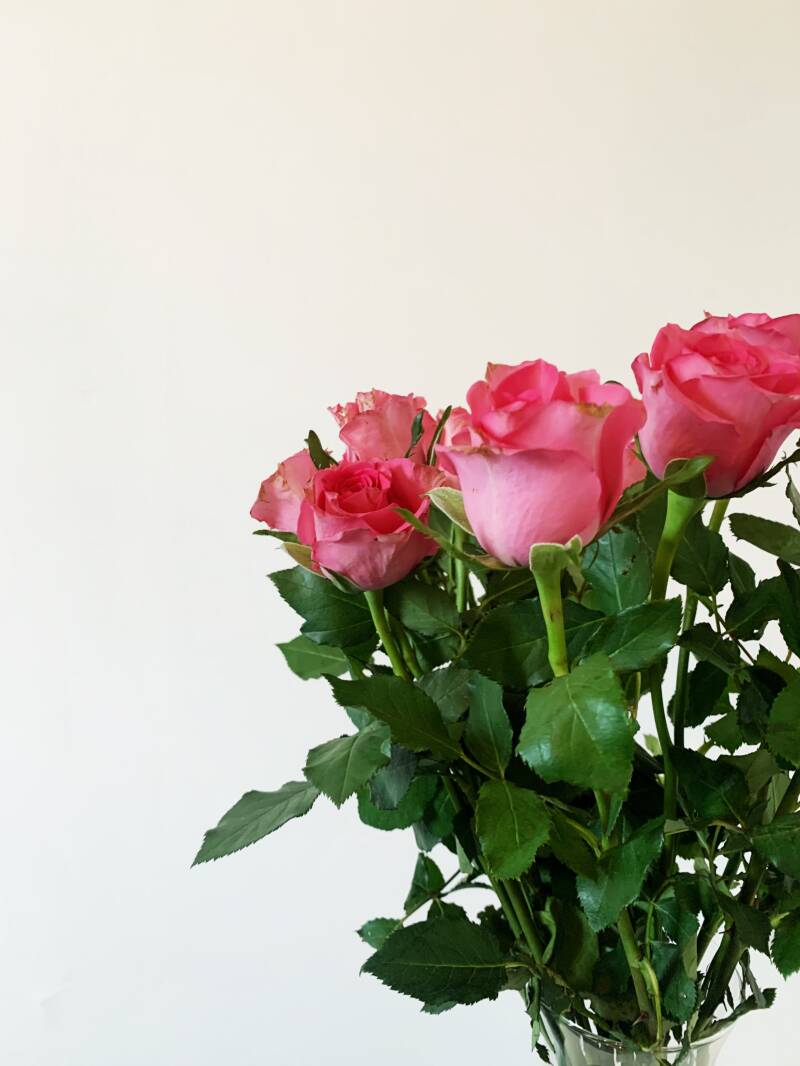
Image by Ealasaid
Roses (Rosa Rubiginosa) generally bloom from May to October depending on weather conditions and come in all kinds of colours including red, pink, lavender, white etc and goes back more than thirty-five million years being discovered in multiple regions across Europe, Asia, and North America. Only beginning five thousand years ago did they become a garden cultivation said to have started in China. Over the centuries they became more symbolized of love in many cultures.
Symbolizes: Love, Beauty, Passion
Represents: The romance of early summer
Secondary ~ Honeysuckle
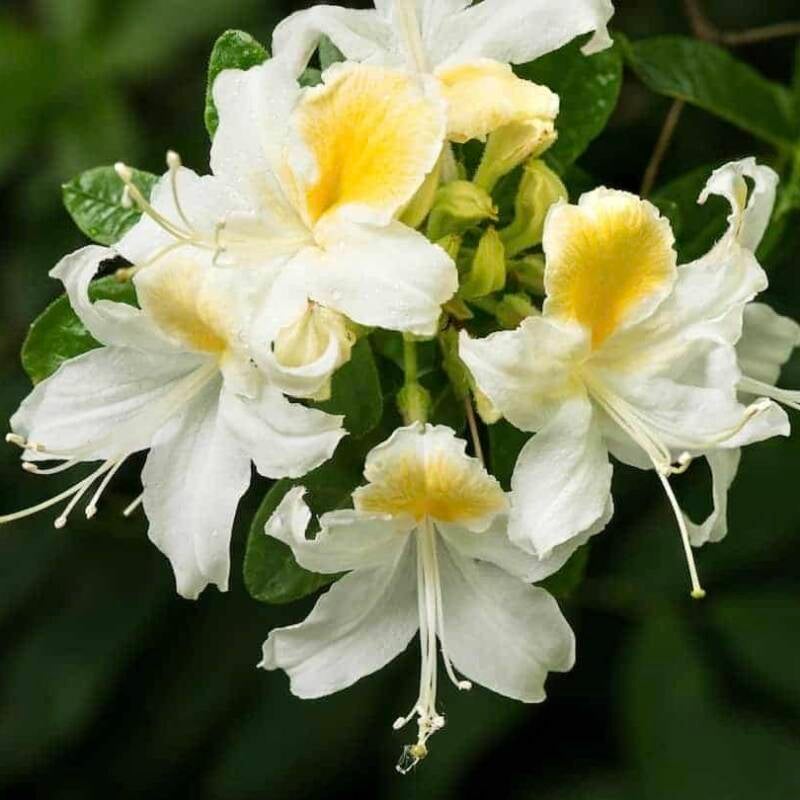
Honeysuckle (Lonicera Periclymenum) are seen from March to May with some species lasting until October and come in a variety of colours including white, yellow, pink, orange etc. The flowers have a rich history dating back thousands of years first discovered in China. The Chinese used the plant for medical purposes and believed them to cure illnesses such as fevers. Travelers brought the flower to Europe and America where it became a loved flower thanks to its fragrance and beauty and to this day is symbolized of love and affections linking its characters of growth.
Symbolizes: Joy, Contentment, New Love
Represents: The romance of early summer
July
Primary ~ Larkspur
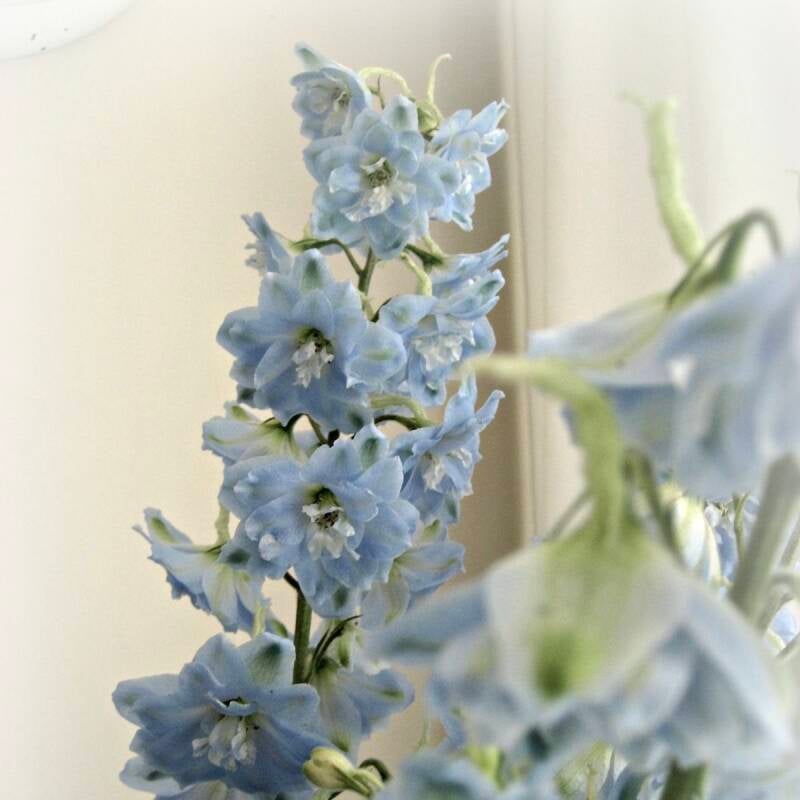
Larkspur (Delphinium) usually bloom from May through July and are found in a variety of colours including Blue, lavender, white, red etc. These flowers were originally known as Delphinium and was introduced to Britian during the mid-15000s mainly found along roadsides. The flowers were used for medical purposed during the Greek times believed to have healing properties and links to modern times of association with the birth month of July symbolizing joy and the beauty of life.
Symbolizes: Positivity, Openness, Dedication
Represents: New starts and pure thoughts
Secondary ~ Water lilies
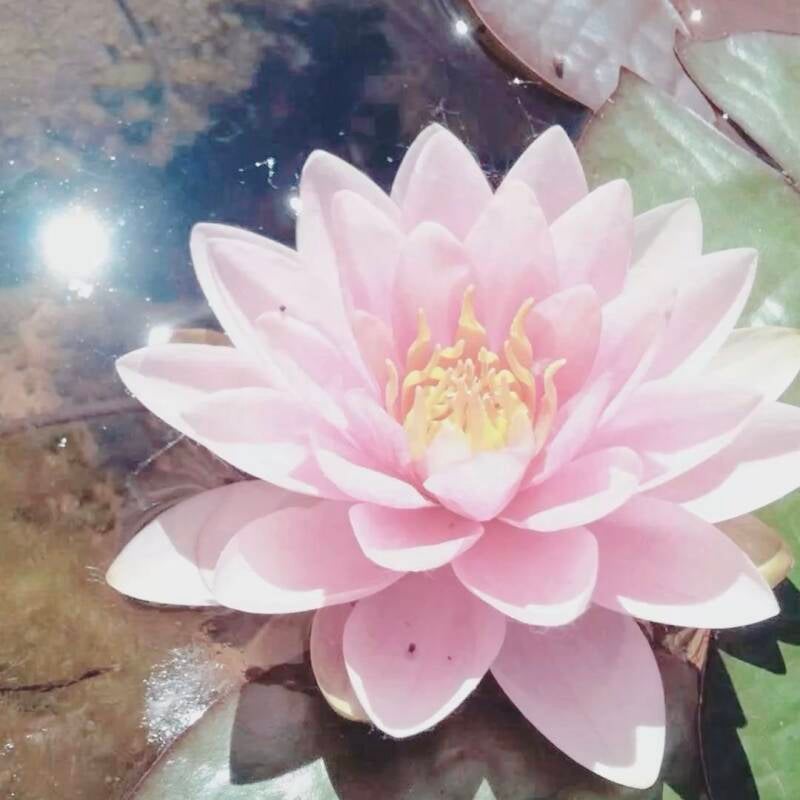
Water Lilies (Nymphaea) typically bloom from May to June and can often continue to show until September during warmer climates. These flower come in many colours including white, pink, red, black and more. Water Lillies are included in many cultures and mythologies throughout history and have proven to have many practical uses including food sources from the rhizomes, medical purposes from the leaves and none surprisingly the flower petals were incorporated into perfumes and essential oils. So, with all these purposes it’s no surprise that the birth month represents purity and enlightenment.
Symbolizes: Purity, Enlightenment, Rebirth
Represents: New starts and pure thoughts
August
Primary ~ Gladiolus
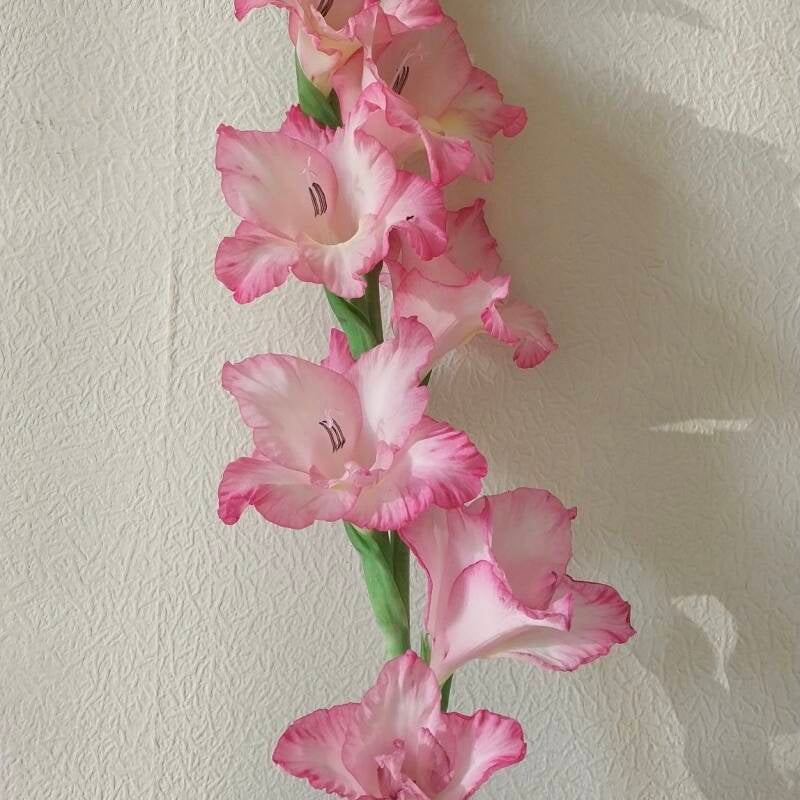
Gladiolus (Gladiolus Spp) blooms at different times starting in late spring or up until early autumn. Each flower comes in a variety of colures including pink, red, purple and more. In ancient Rome Gladiolus flowers were tied to victorious gladiators hence the name. These flowers were given to those of winners in battle much like those in modern times which makes sense that the flowers often represent bravery and victory.
Symbolizes: Strength, Honour, Love at first sight
Represents: Victory and protection
Secondary ~ Poppies
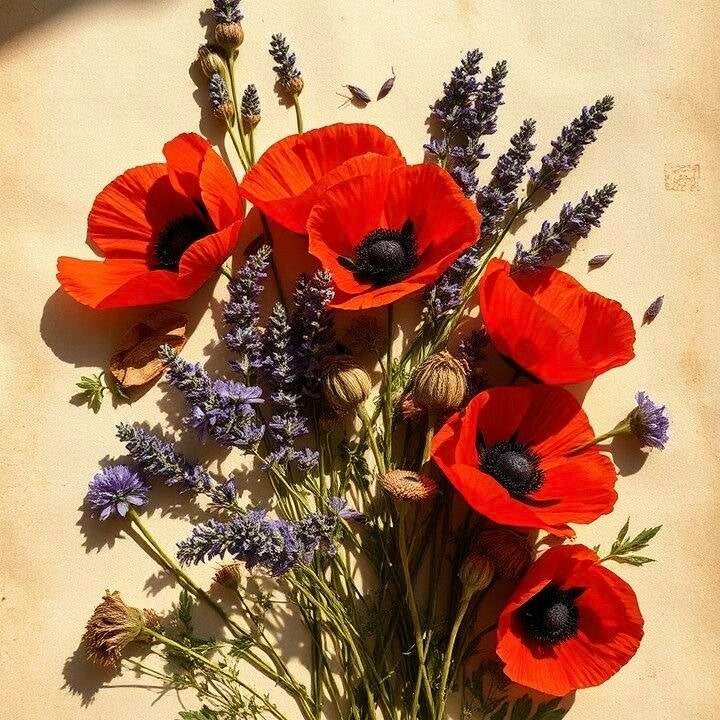
Poppies (Papaver Rhoeas) bloom from April through to June and sometimes can extent until July depending on the climate. Poppies come in more than just our typical red we normally see but also lavender, white and even blue. Today poppies are a symbol of remembrance for the fallen soldiers of World War I. We wear them as a nation to honour their sacrifice for our country. Within the mud, and bodies of soldiers of the war a blood red poppy bloomed. A sight that inspired a poem ‘In Flanders Fields’. So, without question this also represents the birth month of August of remembrance and consolation.
Symbolizes: Sleep, Comfort after death, Wealth, Success
Represents: Fallen Soldiers
September
Primary ~ Aster
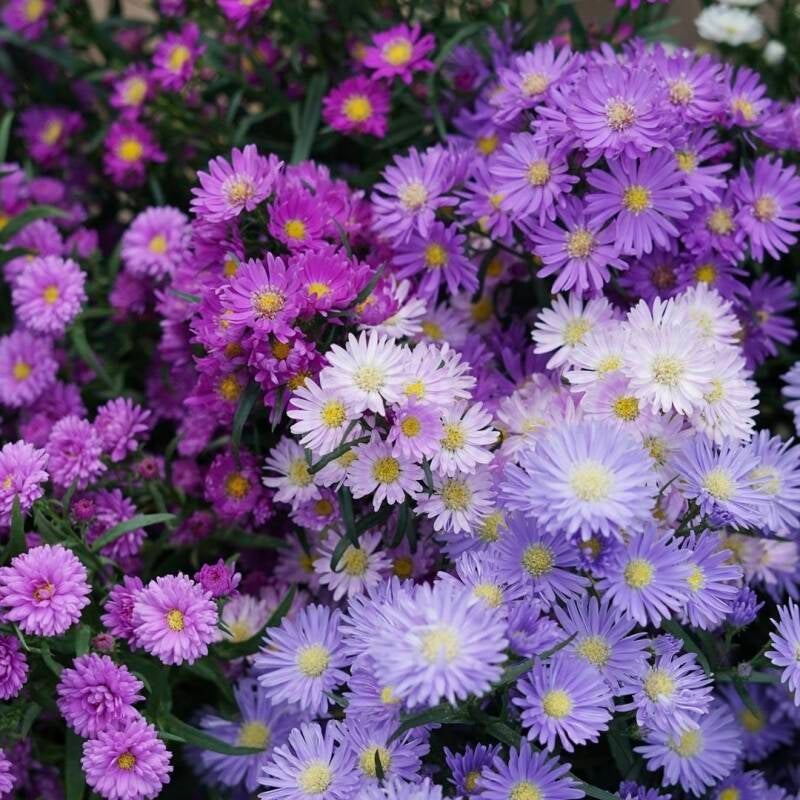
Asters (Aster Amellus) bloom from late summer to fall depending on the species and climate. Asters come in a wide variety of colours including pink, red, lavender, orange and more. This plant has history from many cultures including Greek Mythology where it was believed that the tears of the goddess Astraea turned into the starry petals of the aster plant. This is where the name ‘aster’ comes from, meaning ‘star’ in Greek. Which is why it makes sense that the September month represents beauty, love, and purity since these are traits the goddess Astraea is known for.
Symbolizes: Wisdom, Love, Beauty, Faith, Purity
Represents: The beauty found in moments of life
Secondary ~ Morning Glory
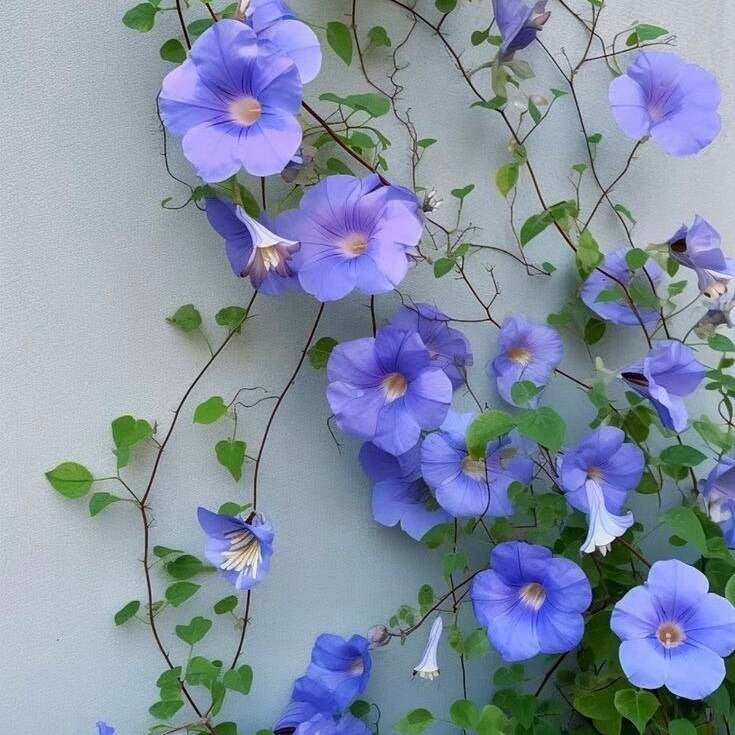
Morning Glory (Ipomea Purpurea) flowers bloom from June through to August but can appear earlier depending on the climate. These types of flowers come in many colours from blue to white and has deep cultural roots with Japan where for most of history the flowers were used in the medicine field. They represent love and affection which matches the beauty of the flowers themselves.
Symbolizes: Affection, Renewal, Brief beauty of life
Represents: The beauty found in moments of life
October
Primary ~ Marigold
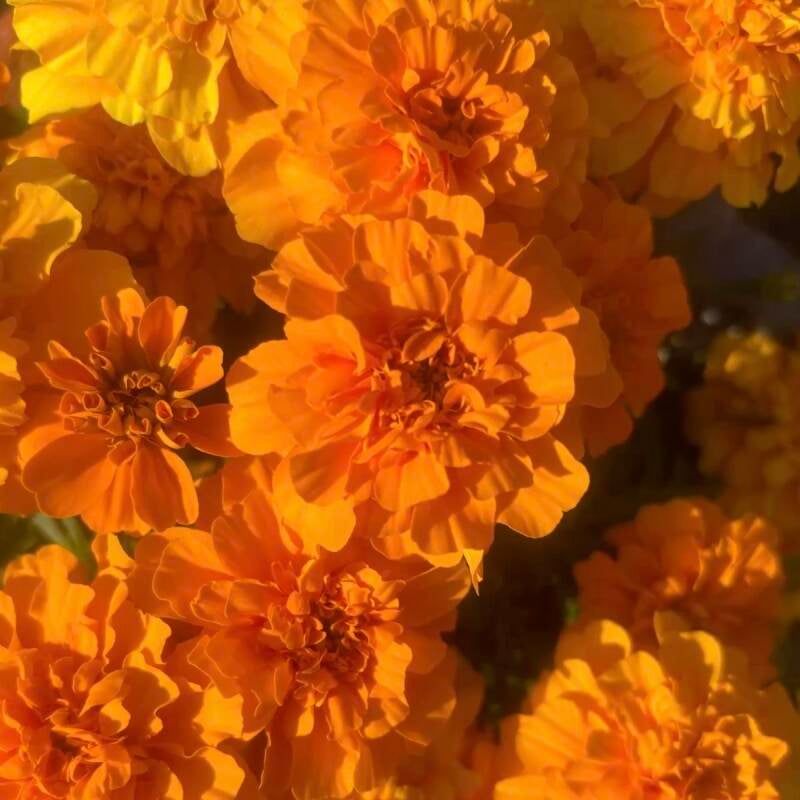
Marigold (Tagetes) often starts to bloom around May to June. These flowers come in colours of orange, yellow, red, and white almost matching their name. They travel back to ancient civilization where they were used for medical purposes. They were also used in religious ceremonies and offerings to the gods. These flowers represent passion, creativity, and positive energy.
Symbolizes: Warmth, Creativity, Passion
Represents: The transition between seasons
Secondary ~ Cosmos
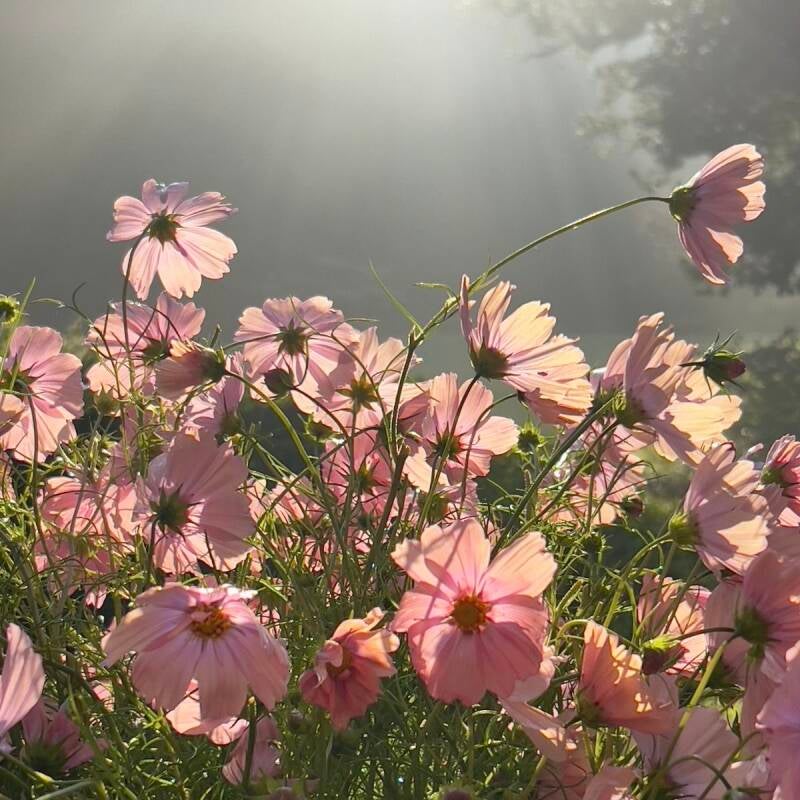
Cosmo (Cosmos Bipinnatus) bloom from mid-summer up until early winter and come in pink, purple, white and more. Cosmo flowers are native to Mexico but eventually expended making its way to England and the United States. It was Spanish priests that cultivated the plant in their mission gardens and were pleased with the evenly placed petals they christened the flowers ‘Cosmos’ the Greek word for ‘order universe harmony’. The exact traits this October month provides, peace and harmony.
Symbolizes: Harmony, Balance, Peace
Represents: The transition between seasons
November
Primary ~ Chrysanthemum
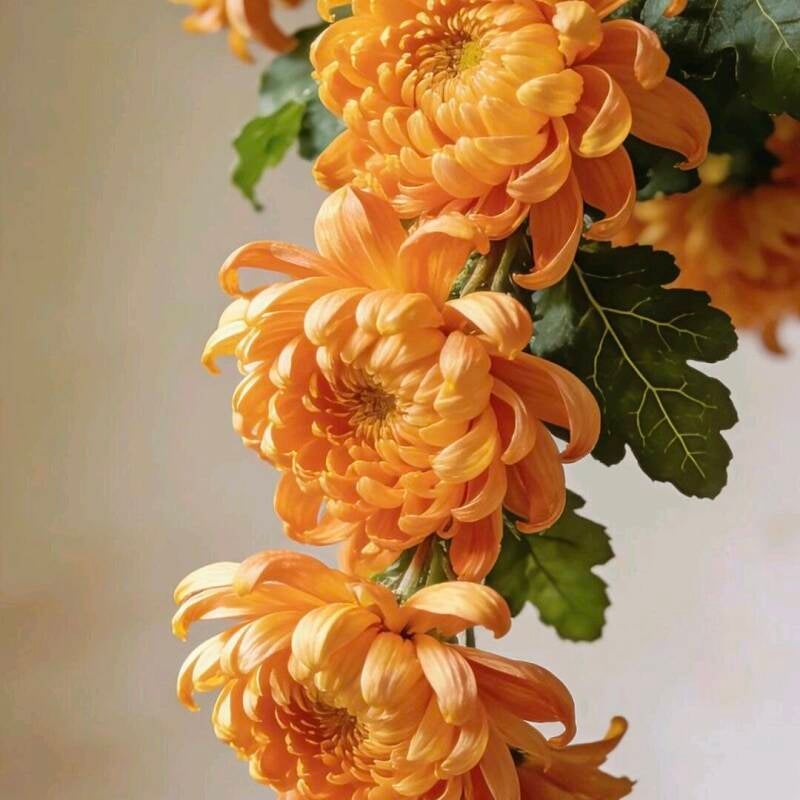
Chrysanthemum (Chrysanthemum Indicum) typically blooms from middle of August right through to January and come in white, red, pink, purple and more. Originating in China in the fifteenth century B.C where the flowers was used for practical purposes such as remedies for headaches and the petals used in salads. The name ‘Chrysanthemum’ comes from the Greek Chryos and means gold and ‘Anthemon’ meaning flower. This flower represents friendship and honour.
Symbolizes: Friendship, Loyalty, Joy, Longevity, Good Luck
Represents: The twelfth wedding anniversary and the spiritual nature of late autumn
Secondary ~ Peony
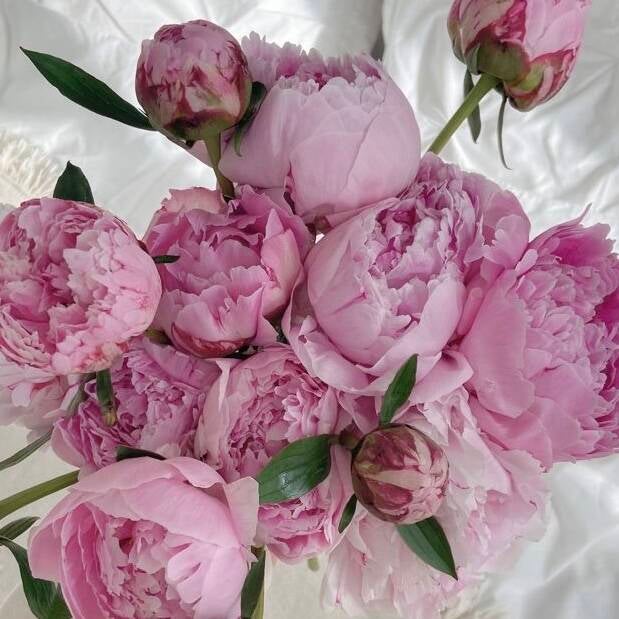
Peony (Paeonia Lactiflora) flowers bloom between April and June but can very depending on the climate. This flower comes in all sorts of colours including red, white, yellow, lavender and more. According to Greek and Roman Mythology Paeon used the peony root to heal hades after he was wounded by Hercules, and Asclepious became jealous of his student’s skill and threated to kill him, but Zeus intervened by transforming Paeon into the peony flower. Due to this action, it makes sense that the flower for November represents honour and prosperity.
Symbolizes: Love, Good Fortune, Happy Marriage
Represents: The twelfth wedding anniversary and the spiritual nature of late autumn
December
Primary ~ Narcissus
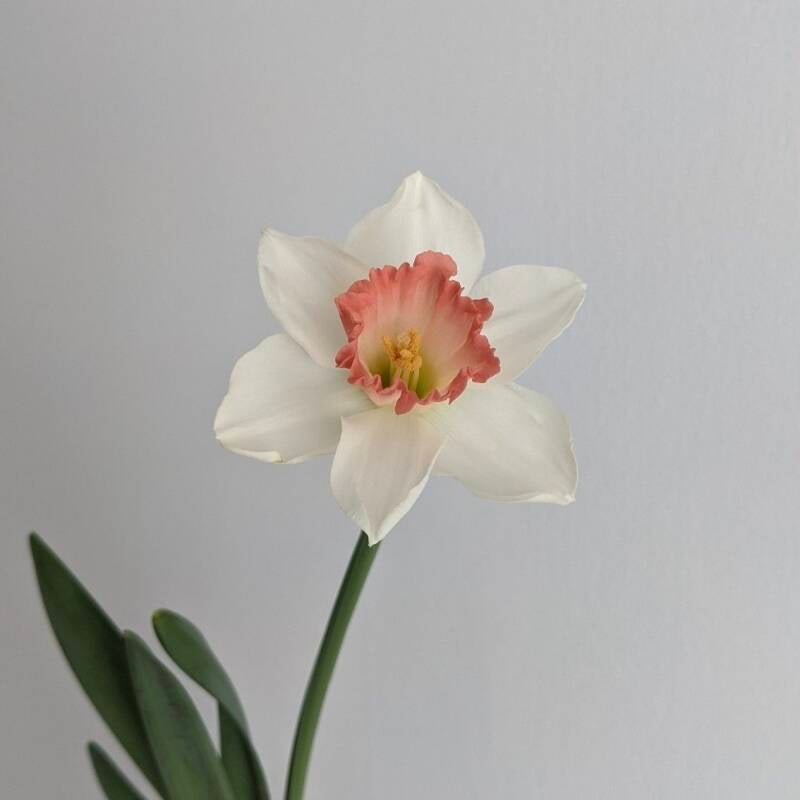
Narcissus (Narcissus) bloom typically bloom from late winter to early spring and grow most commonly in yellow but also come in orange, pink, white and more. In Greek Mythology it was the Narcissus flower that sprang from the ashes of Narcissus (the son of the river of God Cepissus and nymph Liriope) who met the tragic fate of death falling in love with his own reflection. Although Narcssus met his demise the flower Narcissus for December symbolizes hope and new beginnings perfect for the festive season.
Symbolizes: Hope, Purity, New Beginnings
Represents: : Strength of nature during winter
Secondary ~ Holly
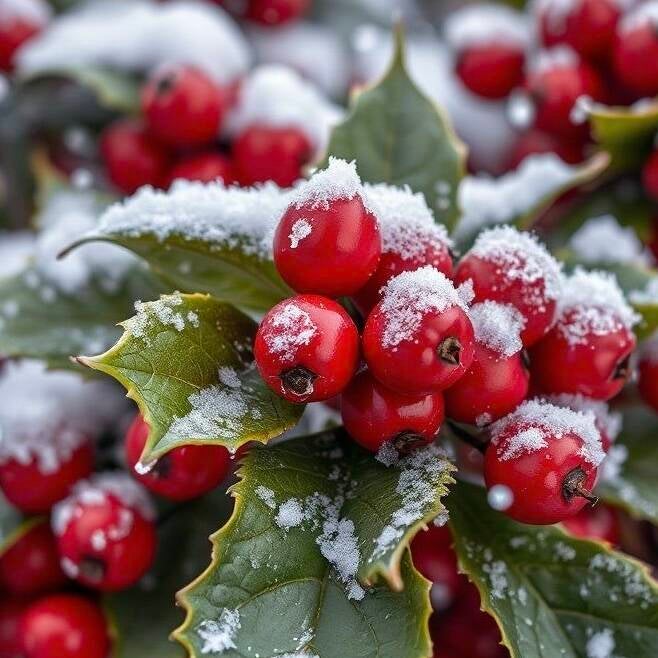
Holly (IIex Aquifolium) plants bloom from spring to early summer and are widely recognized for their blood red berries and sharp green leaves, often used for Christmas decorations during the festive season. But before the Christians used the plant it was associated during the Saturnalia festival that honoured Saturn in ancient Rome, which they also used to decorate their homes. This makes more sense as the plant now symbolizes protection and strength for this particular month.
Symbolizes: Protection, Joy and Resilience
Represents: Strength of nature during winter
Ealasaid | Posted 5th April 2026