

Ever wondered how the most iconic jewellery piece came how we know it today??
Lockets are a timeless and unique piece of jewellery as they are designed with a clasp that gives the owner opportunity to hold experiences, promises, and memories. They are mostly worn as pendants but can be used as rings, bracelets, or more uncommonly brooches. In our age lockets are worn mostly as a statement of fashion with so many designs and shapes it would be hard not to find one to go with our daily wear. But how did the locket we recognize today come to be?
Egyptian Pre-Dynastic Period
Lockets were thought to be first created during the Egyptian pre-Dynastic period. They were known as amulets during the time and the use for these artifacts were woven into daily life. The Egyptians believed they provided protection against illness, infertility, malevolent spirits and more. It wasn’t just in the amulet it’s self that offered peace, but a ritual or prayer followed. The amulets were crafted from materials each chosen for its symbolism and shaped depending on the specific meaning of intended use, for example the eyes of Horus used for healing and protection.
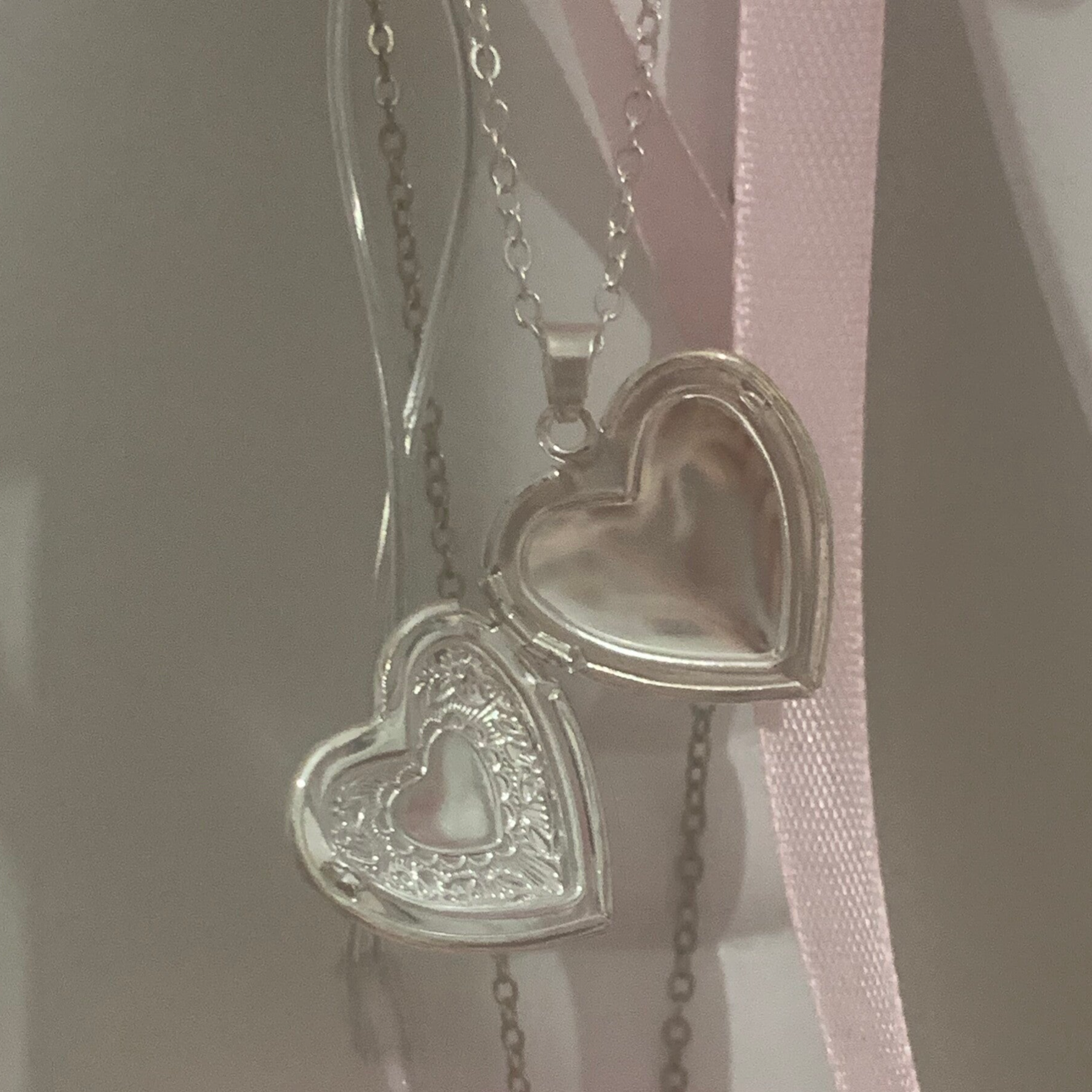
Image by Ealasaid
The Elizabethan Era
It wasn’t until 16th Century Europe where lockets first appeared with heavy inspiration taken from the Egyptians amulets. Lockets were still often used to ward of evil spirits but with evolvement came new purposes. During this period lockets were often used to carry poison, perfume soaked in cloth, but mainly they were used for the purpose to show loss and mourning of a loved one. The lockets were worn by people of all classes including wealth and poor, but it very popularised by Queen Elizabeth I. It is known that the Chequers ring from 1575 belonging to Queen Elizabeth I holds two portraits, one of the Queen herself and traditionally identified as her late mother, Anne Boleyn. This act played a big role in popularizing the lockets, additionally the queen often gifted them to her loyal subjects, further promoting the pieces. During this time, lockets were made from gold, silver, and even mother of pearl.
Victoria Era
It wasn’t until the 18th Century during the Victorian era where lockets actually became fashionable like our modern times. It was also during this period that lockets where not only worn for loss and mourning but for love and personal connections. This is where the heart shaped locket was introduced. It was Queen Victoria herself that set this by wearing a locket containing Prince Albert’s portrait and a lock of his hair after his passing, dramatically changing the reasonings behind the jewellery piece that was already set for centaury’s.
Modern Times
Coming back to our modern times, a locket does not hold as much value to the owner thanks to consumerism and the constant overwhelming advertisement of literally everything. Jewellery stores and brands hold a very big part in this with releasing new products too often. So, with this knowledge and the history behind how the locket came to be and how it has always protected us, we should protect it by keeping its traditions alive and creating new ones.
Traditional Ways To Use The Modern Locket
- Following history for mourning the loss of a loved one you can use your locket to keep the memory alive and bring comfort to your thoughts by placing a photograph of your special person in the locket so that you may look at it any time. Having this tangible piece will also keep the thought of them alive once you leave too.
- To keep love in the air when they are away you can put a piece of their hair into the locket, more specially a heart shaped locket. Just make sure to ask before cutting the persons hair.
- Going back to the amulets if you are feeling anxious that there may be evil lurking nearby, you can hold your locket, say a prayer and count your blessings for whatever religion, you believe.
- For our wordier folk you can put a small handwriting letter or note in your locket. This can be from yourself to yourself as a reminder or from a special someone, no options are limited.
- Scent is a very important factor to consider when it comes to fashion. So, if this is your thing, you can put a piece of fabric soaked of your favourite perfume in the locket.
Ealasaid | Posted 28th December 2025